
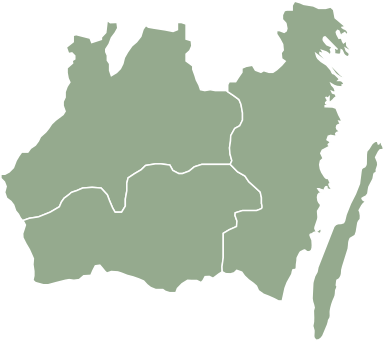
Lake Lyngemad – centuries-old forest, mountain slopes, marshland, and a legendary rock crevice
Category: Nature reserve
Image slideshow
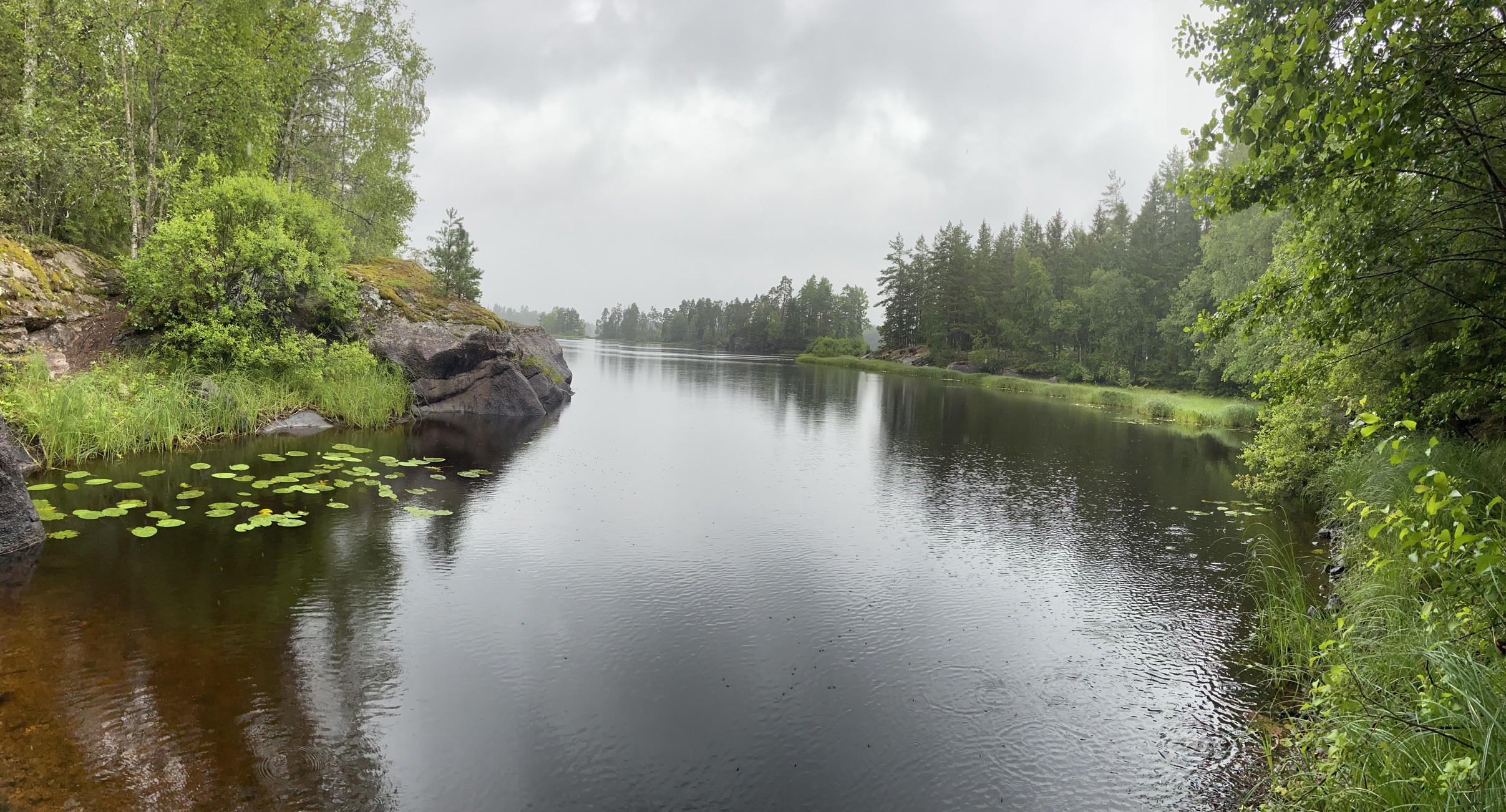
Around Lake Lyngemad, you can experience exciting and varied nature with centuries-old forests, mountain slopes, marshland, and a legendary rock crevice.
The varied environment in the reserve provides a habitat for many unusual birds, mosses, and lichens. If you are really lucky, you might catch a glimpse of an otter in the Hästgångsån river.
Lake Lyngemad, a dammed section of the Hästgångsån river, has given its name to the entire nature reserve. The lake is nutrient-poor and colored brown by decomposed plant matter, known as humus. The number of islands in the lake can vary slightly as the water level rises and falls in the power plant dam. Some islands are rocky outcrops and can rise more than 10 meters above the water surface.
The reserve is home to coniferous forest, mostly pine but also spruce. The average age of the pine forest is 130 years, but several trees are considerably older than that. Gnarled pines grow on the islands, some of which are as old as 300 years. In the spruce forest, the trees are up to 160 years old, a respectable age for spruce.
The reserve is home to pine bracket, which thrives best on pines older than 150 years. Birds of prey also like the old trees because their strong crowns can support the birds' heavy nests. The black woodpecker, which is picky about where it hacks out its home, is also found in the area. When the black woodpecker's young have flown the nest, the nest is useful for other birds that are happy to move in, such as the goldeneye, the stock dove, and various species of owls.
Other birds that nest in the reserve include the black-throated loon, osprey, sandpiper, and teal. During the summer, resting waders such as the green sandpiper and wood sandpiper are a common sight. Upstream around Hästgångsån, traces of otters can sometimes be seen.
Several unusual mosses grow in Lake Lyngemadssjön, such as wood stair moss, long-flap moss, and stubble moss. There is also a small bog in the reserve. The ground is covered with plants typical of marshlands: white mosses, lingonberries, blueberries, cloudberries, and cranberries.
Places mentioned in the article
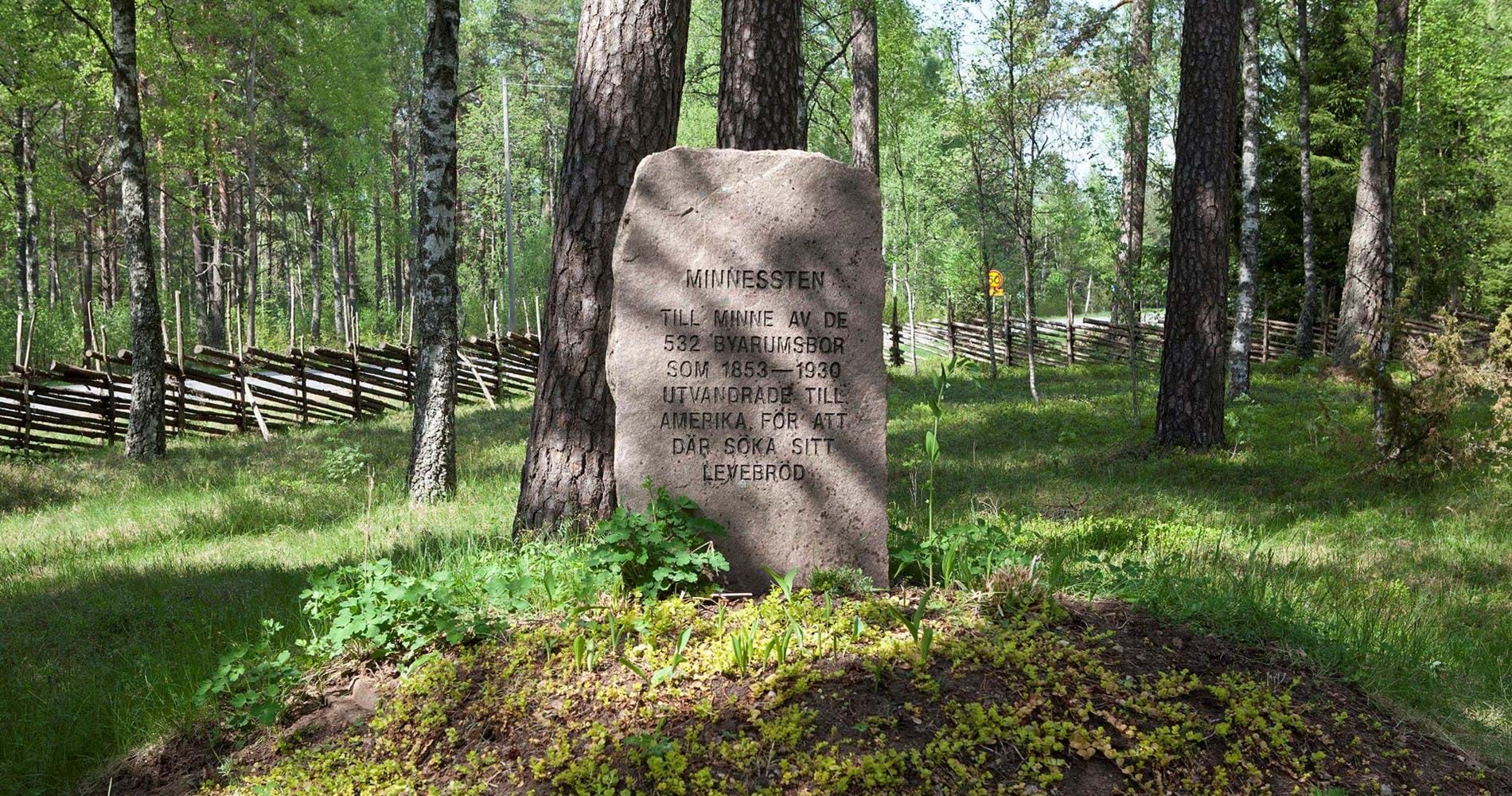
Höglandsleden stage HÖ20 Hok - Byarum - Part of Smålandsleden
At Hooks Herrgård there is a trail entrance that can take you towards Byarum or Tomtabacken. Hooks H…
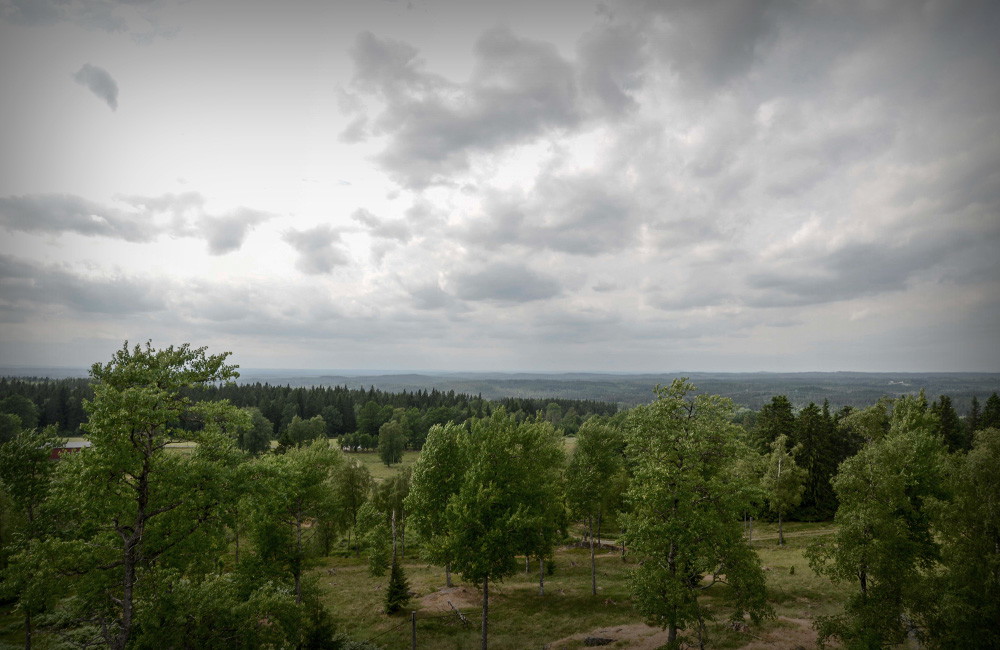
Höglandsleden stage HÖ19 Tomtabacken - Part of Småland Trail
Stage HÖ19 is about 20 km long and runs between Tomtabacken and Hok. At the eastern entrance to the…
Hok (Hooks manor), Entrance HÖ19/HÖ20
At Hooks manor, stages HÖ19 and HÖ20 meet, and there is also a connection to Hok station. At Hooks M…
Hiking trail, Lyngemadssjön
Around Lake Lyngemadssjön, you can experience exciting and varied nature with centuries-old forests,…